




 Beauty from WithinSkin, hair, nails and body balance.
 General HealthDaily wellness across life stages.
 Fitness & SportsPerformance, hydration and recovery nutrition.
 Mental & EmotionalSleep, calm, mood and cognitive support.
 Lifestyle SolutionsWellness products built around everyday needs.


Beyond the First Purchase: How Supplement Format and Taste Decide Repeat Orders
Direct Answer
Repeat orders for a supplement are decided less by the formula than by the experience of taking it: the format, the taste and how easily it fits into a daily routine. Recent consumer research links boredom and pill fatigue to people stopping supplements, and shows taste ranks far higher for gummy buyers than for supplement users overall. Brands that choose the format and design the flavour at the start of development, and test samples with real consumers, give their product a better chance of being reordered.
Table of Contents
- The Real Competition Starts in Week Six
- What the Data Says About How People Choose
- Format Is a Development Decision, Not a Packaging Choice
- What Each Supplement Format Does Well
- Taste Belongs in the Formula From Day One
- Five Questions to Ask Before Choosing a Format
- How FORNUTRA Approaches Format
- Frequently Asked Questions
A supplement launch is usually judged on its first few weeks: the label, the ingredient story, the price point and the reviews that follow. Those things win the first purchase. They rarely win the fourth.
This guide looks at why supplement format and taste have become central to repeat purchase, what each major dosage form does well, and how brands can make format decisions early enough to matter.
The Real Competition Starts in Week Six
Somewhere around week six, the novelty of a new product fades. The bottle stops being something a customer is excited to try and becomes something they either keep reaching for or leave in a drawer. That moment is where most of a brand's lifetime value is decided, and it has surprisingly little to do with the formula on the back of the pack.
Recent consumer research makes the point directly. According to Glanbia's consumer research, presented around SupplySide Global 2026, one in ten people who stopped taking supplements said the reason was boredom. The same campaign materials cite Mintel data suggesting that most consumers struggle to keep up more than three pill-based products at once.
Why this matters
Neither boredom nor pill fatigue is a formulation problem. Both are experience problems, and the experience of a supplement is shaped first by its format and its taste.
What the Data Says About How People Choose
- Variety is now a reason to take more supplements. Innova Market Insights' Trends Survey 2026 found that 22% of consumers globally report taking more supplements because of the greater variety available, and that nearly one-third now prefer on-the-go formats.
- Taste is a purchase driver, not a finishing touch. In Glanbia's data, 52% of gummy users named taste as a characteristic they look for, compared with 16% of supplement users overall.
- Younger buyers lean strongly toward enjoyable formats. Glanbia's 2023 US consumer study found Gen Z and Millennial consumers were nearly five times more likely than other groups to choose gummies, chews and similar formats over pills and tablets.
Read together, these numbers describe a market where the way a supplement is taken has become part of what is being bought. For a brand, that changes where the important decisions sit in the development process.
Format Is a Development Decision, Not a Packaging Choice
It is tempting to treat format as something chosen after the formula is locked: decide the actives and doses, then pick a capsule, a gummy or a powder to put them in. In practice, the format sets the rules for almost everything else, which is why it belongs in the first conversation about custom formulation and R&D.
| Constraint | What changes by format | What to check early |
|---|---|---|
| Dose capacity | Capsules and tablets carry dense payloads in a small size; gummies have far less room before texture and taste suffer | Whether the full dose fits in one serving or needs two to three pieces |
| Stability | Heat, moisture and oxygen affect gummies, effervescent tablets, powders and softgels very differently | Target climate, packaging and shelf-life conditions |
| Taste and masking | Off-notes from minerals and botanicals are hidden in a capsule but exposed in a gummy, chew or drink | Ingredient forms that are easier to mask, and the flavour system |
| Dosing accuracy | Some formats are harder to dose consistently, especially where heat and moisture are involved in processing | Process control and overage strategy |
Dosing accuracy deserves particular attention. A widely cited 2023 study in JAMA (Cohen et al.) measured 25 melatonin gummy products sold in the US and found actual content ranged from 74% to 347% of the labelled amount. The study covered one ingredient and one format, but it is a useful reminder that process control matters as much as the recipe.
What Each Supplement Format Does Well
No format is best in general. Each suits a different moment of use, consumer and set of ingredients.

Capsules and softgels
Capsules suit minerals, botanical extracts and multi-ingredient blends, in sizes matched to the dose. Softgels are a natural home for oil-based actives. The limitation is experiential: for consumers already taking several pills a day, one more capsule can feel like a chore.
Gummies and soft chews
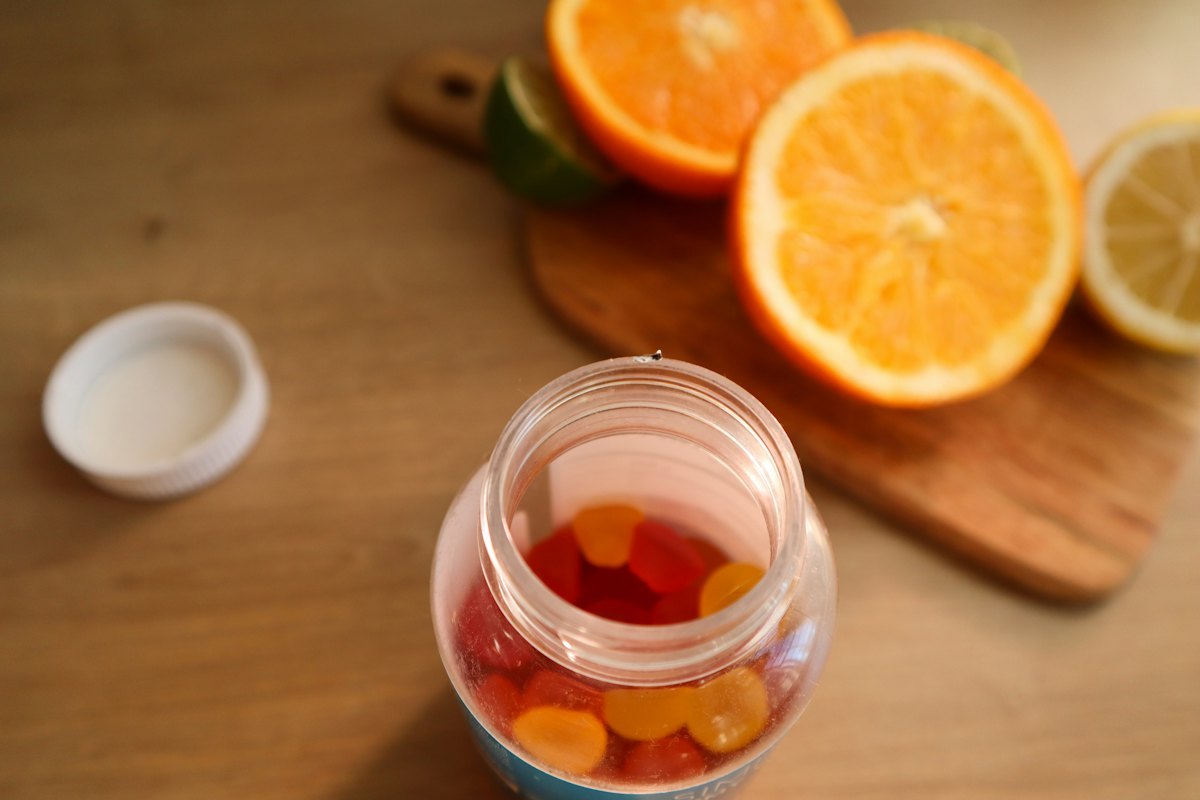
The format most closely associated with enjoyment and younger buyers. Gummies make a daily habit easier to keep but demand the most from formulation: masking, texture, stability in hot climates and consistency across every piece.
Effervescent tablets
A tablet that becomes a drink, well suited to multivitamin and electrolyte concepts and consumers on the move. Dissolution speed and moisture control through pressing and packing are critical.
Powders and stick packs
Flexible on dose and suited to larger servings such as protein, collagen or fibre. Stick packs add portability. Solubility, mouthfeel and flavour in the liquid consumers actually use are the key questions.
Oral liquids, shots and drops
For consumers who prefer to drink rather than swallow. Liquids leave room for flavour and packaging to carry more of the brand story; stability of sensitive actives in solution must be planned early.
Jellies, gels and pastes
Increasingly used for sports and lifestyle concepts where texture and convenience are part of the appeal. Sitting between food and supplement, they depend heavily on flavour and mouthfeel.
Taste Belongs in the Formula From Day One
If taste drives repeat purchase, it cannot be left to the end of development. Three practices make a measurable difference.
Choose actives with the format in mind
Some ingredient forms are far easier to mask than others. Selecting them early avoids reworking a formula after the first sample tastes wrong.
Design the flavour system alongside the dose
The flavour has to cover the actives at the full labelled dose, through the whole shelf life, in the climate where the product will be sold.
Treat sampling as a consumer test
A sample that passes specification can still fail at the kitchen table. Asking real people to taste it more than once, ideally over several days, reveals fatigue that a single tasting misses.

Five Questions to Ask Before Choosing a Format
- When and where will the product be taken? At a desk, after training, before bed or while travelling. The moment of use often points to the format.
- How many products is your target customer already taking? If the answer is several capsules a day, a different format may be the reason they keep yours.
- Can the full dose fit in a serving people will accept? Check the active load against realistic serving sizes before committing to a format.
- What climate will the product be sold and stored in? Heat and humidity change the right base, coating and packaging.
- Is there room for a second format later? The strongest ranges often express one proven formulation across two or three formats, each matched to a different moment or channel.
How FORNUTRA Approaches Format

FORNUTRA works with supplement brands on custom OEM and ODM projects across every major dosage form, using our own production lines alongside certified partner facilities. With two production bases and three R&D centres in Guangzhou, we can compare formats side by side for the same formulation rather than forcing a formula into whichever format a single line happens to run.
Samples typically take about one week, which makes it practical to put two or three flavour or format options in front of a test panel before committing to production. Once a direction is chosen, bulk production typically takes 10 to 15 days. If you are weighing which format to build your next launch around, you can talk it through with our team and start with samples.
Frequently Asked Questions
Should a brand choose the formula or the format first?
Ideally both together. The format sets limits on dose capacity, stability and taste masking, so choosing it after the formula is locked often forces reformulation. A shortlist of two or three candidate formats at the start of development keeps options open without slowing the project.
Are gummies always better for repeat purchase than capsules?
Not always. Gummies score well on enjoyment, but some actives and doses are better suited to capsules, softgels or powders. The right choice depends on the dose, the ingredients, the target consumer and the climate where the product will be sold.
How can a brand test taste before a full production run?
Request samples in more than one flavour or format and ask a small panel of target consumers to use them over several days rather than tasting once. Repeated use reveals taste fatigue and texture issues that a single tasting misses.
Key Takeaways
- The first purchase is won on the label; repeat purchase is won on the experience of taking the product.
- Consumer research links boredom and pill fatigue to people stopping supplements, and taste ranks highly for gummy buyers.
- Format sets the rules for dose capacity, stability, taste masking and dosing accuracy, so choose it at the start.
- Design the flavour system alongside the dose and test samples with real consumers over several days.
- Strong ranges often express one formulation across two or three formats matched to different moments of use.
Sources: Glanbia consumer research and campaign materials, as reported by PricePlow, "Beyond the Pill: Glanbia's Case for Supplements People Actually Keep Taking" (October 2026); Innova Market Insights, Trends Survey 2026, as cited by Nutrition Insight (2026); Cohen PA, et al., "Quantity of Melatonin and CBD in Melatonin Gummies Sold in the US," JAMA (2023). FORNUTRA sampling and production lead times are typical figures and vary by project.