



 Beauty from WithinSkin, hair, nails and body balance.
 General HealthDaily wellness across life stages.
 Fitness & SportsPerformance, hydration and recovery nutrition.
 Mental & EmotionalSleep, calm, mood and cognitive support.
 Lifestyle SolutionsWellness products built around everyday needs.
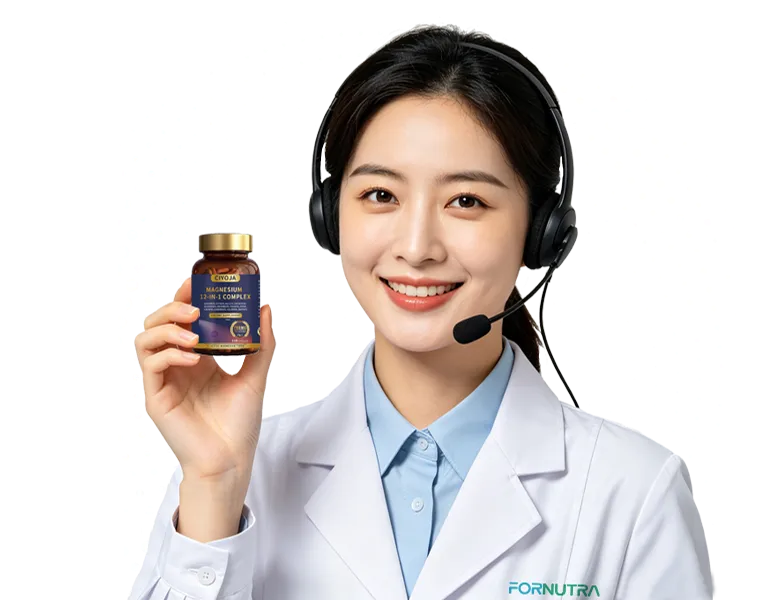

Vitamin Wholesalers: How to Buy Vitamins Wholesale for Your Brand
Quick Answer
Vitamin wholesalers are bulk suppliers of finished supplements, but not all of them make what they sell. To buy vitamins wholesale without overpaying, source from a GMP-certified manufacturer or its authorised distributor, compare quotes per 500 units including packaging, testing and freight, demand a batch-specific COA, and match MOQ and lead time to your dosage form.
Demand for vitamins keeps compounding: the global dietary supplements market reached USD 209.5 billion in 2025 and is forecast to more than double by 2033, with the vitamin segment alone worth USD 63.5 billion (Grand View Research, 2025). For a brand buyer, that growth means more vitamin wholesalers, more quotes, and more ways to overpay — or worse, to buy stock that cannot pass a label audit. This guide walks through the buying decision the way a sourcing manager would: who actually makes the product, how to normalise vitamin wholesale pricing, which certificates to demand, and what MOQ and lead time you should expect for each dosage form.
Vitamin Wholesalers vs Manufacturers: Who Actually Makes the Product
The phrase “vitamin wholesaler” covers very different businesses: a trading company holding finished stock, a manufacturer offering private label vitamins under your brand, or a raw-material house selling bulk actives by the kilogram. Only the last two sit close to production — and only a manufacturer can change the formula, re-run a failed batch, or hold your batch production record.
Why does the buying route matter so much? Because the cheapest listings are where label failures concentrate. In a 2022 case series published in JAMA Network Open, researchers purchased 30 immune-health supplements from Amazon and found only 13 of 30 accurately labeled; 13 of the 17 mislabeled products listed ingredients that laboratory analysis could not detect (Crawford et al., 2022). The authors explicitly caution that their 30-product sample is not representative of the broader market. A separate 2025 testing retrospective by the independent platform SuppCo found the same direction on a different sample: 22 of 44 supplements bought anonymously on Amazon across creatine, NAD+, Urolithin A and berberine failed active-ingredient label testing (supp.co). Neither study proves the whole market is unsafe — but both show why a buyer should verify the manufacturer, not just the listing price.
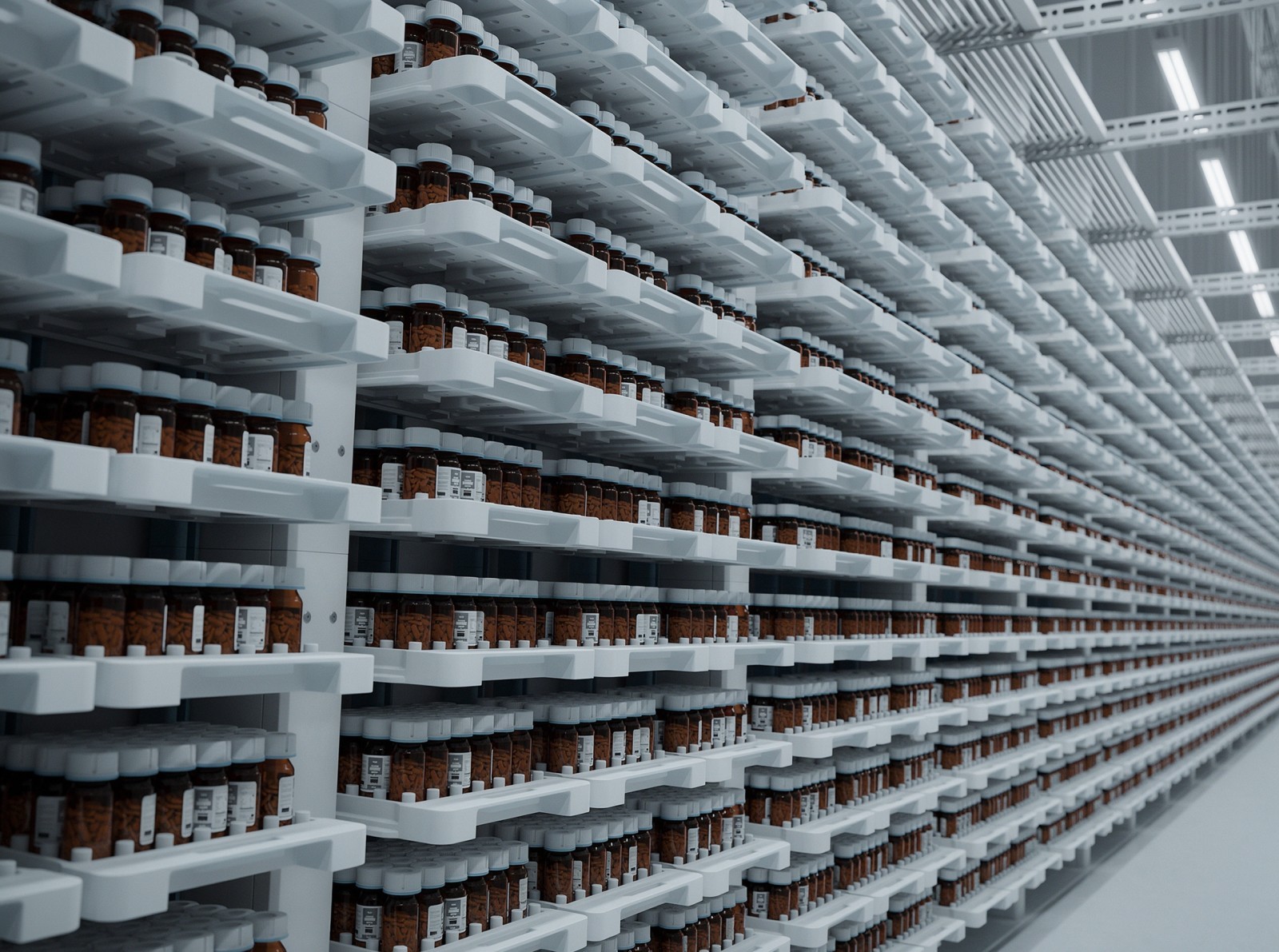
The three buying routes below cover almost every wholesale vitamin transaction. Use the table to match the route to your brand stage before you compare any quotes:
| Buying route | What you buy | Formula ownership | Typical MOQ | Indicative cost | Best for |
|---|---|---|---|---|---|
| Retail / stock (white label) | Finished bottles from a wholesaler's inventory | Manufacturer's formula | 500–1,000 bottles | $2–5 per bottle | Testing demand fast |
| Private label | Finished goods produced with your label and spec | Label is yours; formula per contract | 2,500–5,000 bottles | $4–9 per bottle | Brand building at scale |
| Bulk raw materials | Vitamin actives, extracts and blends by weight | You own the blend entirely | 25 kg+ per lot | Priced per kg | Blenders and manufacturers |
Reference ranges: SupplementCommerce industry pricing guide, 2026 — indicative, not uniform standards.
If your strategy is to build a differentiated line rather than resell stock, start from the dosage form: a dedicated tablet supplement manufacturer or capsule supplement manufacturer will quote production MOQs far below gummy lines, while stock-formula programmes get you to market in weeks. Not sure where the line sits between reselling someone else's product and owning yours? Our comparison of white label vs private label supplement manufacturing breaks down the ownership and cost trade-offs.
How to Buy Vitamins Wholesale Without Overpaying
Most overpayment in wholesale vitamin sourcing comes from comparing quotes on different bases: one supplier prices ex-works bottles without labels, another adds testing and freight, a third quotes per unit at a volume you will never order. Fix the baseline first: convert every quote to landed cost per 1,000 units, including bottle and closure, label application, batch testing, and freight to your 3PL. Only then are quotes comparable.
The second lever is volume architecture. Fixed batch costs — line setup, QC, documentation — are spread across whatever you order, so unit prices fall steeply between the sample tier and the standard production tier. Doubling your order almost never doubles your invoice.
Vitamin Wholesale Pricing and Bulk Vitamin Supplier Benchmarks
Industry cost guides for 2026 put all-in contract-manufacturing pricing for a standard 60-count capsule bottle at roughly $3.90–$5.00 per unit, with third-party potency and contaminant testing adding $2,000–$3,000 per order (WB Blends, 2026). Treat these as reference ranges, not uniform standards — your figure depends on formula, dose and packaging. The curve below shows the typical shape for a 60-count capsule SKU:
Typical unit price by order volume — 60-count capsule bottle (illustrative)
Source: WB Blends supplement cost guide, 2026. Illustrative shape only; your formula and packaging move the absolute number.
Before signing with any bulk vitamin supplier, run every candidate through this five-point checklist:
- Quotes normalised to landed cost per 500 units — packaging, testing and freight included.
- Written MOQ per SKU and minimum order value, so artwork is not designed against a floor you cannot hit.
- Batch-specific COA offered before you pay, not after.
- GMP scope matching your destination market (21 CFR Part 111 for the US, plus EU or other market files if relevant).
- Stated lead time with a reorder plan — vitamins repurchase monthly, and stockouts cost more than the per-unit premium you saved.
Choosing between an OEM and ODM route also changes what you pay for R&D and who owns the formula — our guide to OEM vs ODM options for supplement brands explains the difference. If you have decided to build your own SKUs, the practical next step is scoping a private label supplement manufacturing programme with tiered pricing at 1,000, 2,500 and 5,000 units.

Certificate and Testing Requirements from Vitamin Wholesalers
Certificates are where wholesale vitamin deals are won or lost. FDA inspection data obtained under the Freedom of Information Act and reported by ConsumerLab.com in September 2026 shows that in fiscal year 2025 the agency inspected 800 dietary supplement facilities and issued noncompliance observations (Form 483s) to 49.1% — a rate that rose to 72.5% for sites outside the US. A Form 483 is an inspection observation, not a fine or a final determination of noncompliance. The most-cited failures are exactly the paper trail a wholesale buyer should ask to see: missing product specifications, no written quality-control procedures, and incomplete batch records. In its own product reviews, ConsumerLab reports that about one in five supplements it selects for testing in the US and Canada fails at least one quality parameter.
Require these four documents per batch — before payment
| Document | What it proves | Red flag if… |
|---|---|---|
| Batch-specific COA | Identity, potency, microbials and heavy metals for the exact lot, from an ISO 17025 lab | No lot number, or issued by the seller instead of the maker |
| GMP certificate | Facility compliance with 21 CFR Part 111 (US) or equivalent destination-market standard | Expired, or scope does not cover your product type |
| Allergen & ingredient declaration | Label compliance in the destination market | Generic statements not tied to your formula |
| Country of origin + HS codes | Smooth customs clearance and traceability | Missing on re-labelled or on-traded goods |
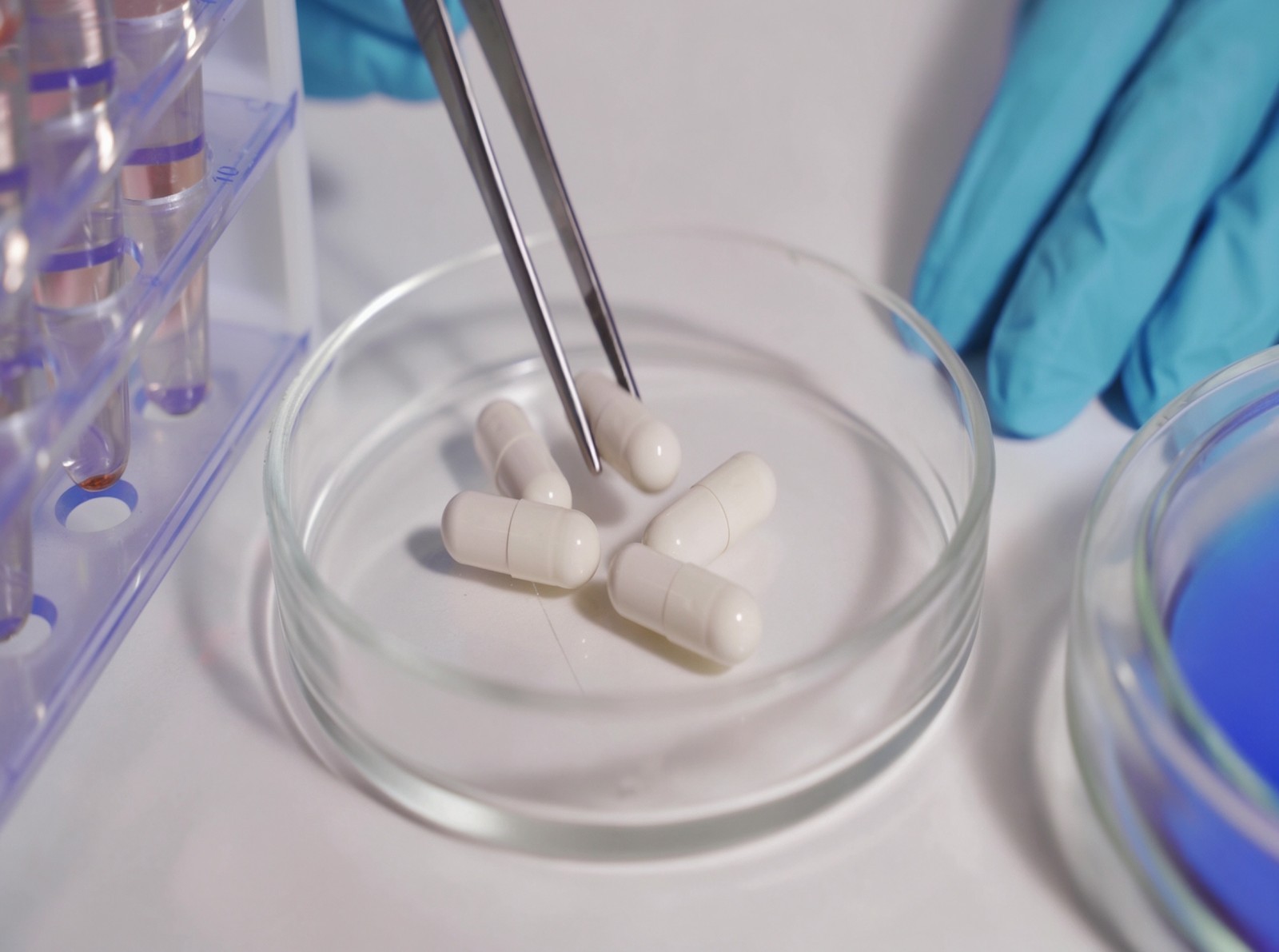
Third-party seals — NSF, USP Verified, Informed Sport — add another verification layer, but they certify specific programmes, not a whole supplier. Ask which seal covers which SKU, and verify the certificate number in the certifier's public database rather than trusting a logo on a PDF. If a wholesaler cannot connect a seal to a lot number, treat the claim as marketing.
Private Label Vitamins: Lead Times and MOQ
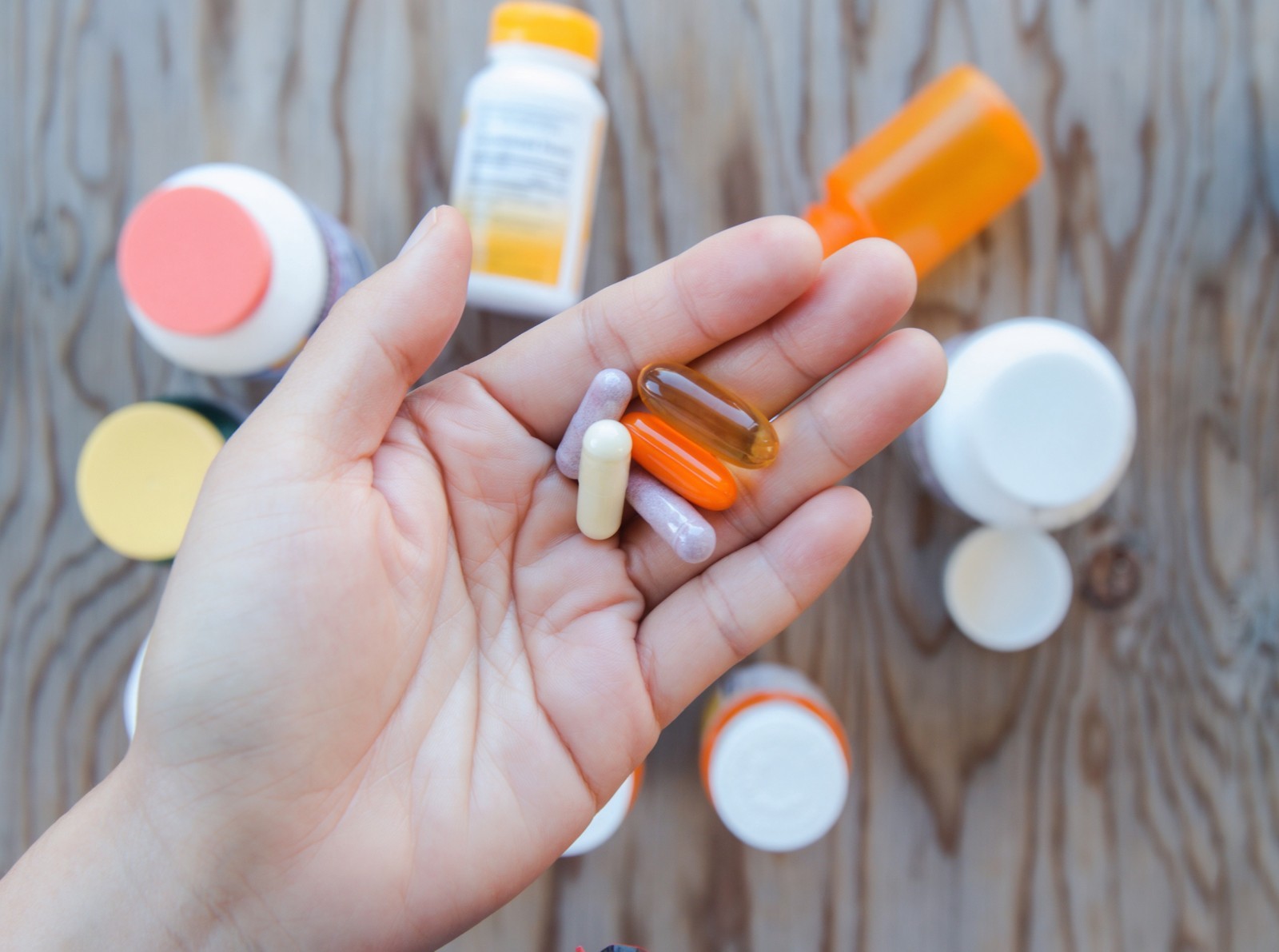
Once certificates check out, the remaining negotiation is capacity: private label vitamins carry higher MOQs than stock formulas, and dosage format drives both minimums and calendars. Stock capsule and tablet programmes are among the lowest entry points in the industry; gummy lines are the most expensive to switch over, so their minimums run much higher:
| Format | Stock formula MOQ | Custom formula MOQ | Lead time (stock) | Lead time (custom) |
|---|---|---|---|---|
| Tablets | 500–1,000 bottles | 2,500–5,000 bottles | 4–6 weeks | 12–20 weeks |
| Capsules | 500–1,000 bottles | 2,500–5,000 bottles | 4–6 weeks | 12–20 weeks |
| Powders | 250–500 tubs | 1,000+ tubs | 4–6 weeks | 12–20 weeks |
| Gummies | 5,000+ units | 10,000–25,000 units | 6–10 weeks | 16–24 weeks |
Reference ranges compiled from 2026 industry guides (SupplementCommerce); they are not uniform standards. Minimums and lead times move with formula, packaging and flavours — always confirm your exact format in writing.
Two practical tactics: first, if a custom gummy MOQ is out of reach, ask whether the manufacturer runs stock gummy bases you can launch on with your label. Second, most manufacturers let you combine SKUs to hit a production floor — four SKUs at 250 bottles each can satisfy a 1,000-unit line minimum, giving you a full launch range for the cash of one custom run. Powder projects follow similar logic; our powder supplement manufacturer guide covers stock versus custom powder routes in detail.
Compare FORNUTRA's Vitamin Programme
FORNUTRA is a CDMO partner founded in 2009 with 6,000+ proven formulations, three manufacturing facilities spanning 30,000+ square metres, and 20+ production lines serving 5,000+ brands across 50+ countries. Its cGMP- and BRC-certified facilities cover capsules, tablets, softgels, gummies, powders and stick packs, liquids, effervescent tablets, drops and jelly supplements, with FDA, EU and global regulatory support. Published private-label MOQs start at 500 bottles for capsules, gummies and drops and 200 kg for powders, with production typically 4–6 weeks after sample approval — figures vary by format, so confirm yours in writing.
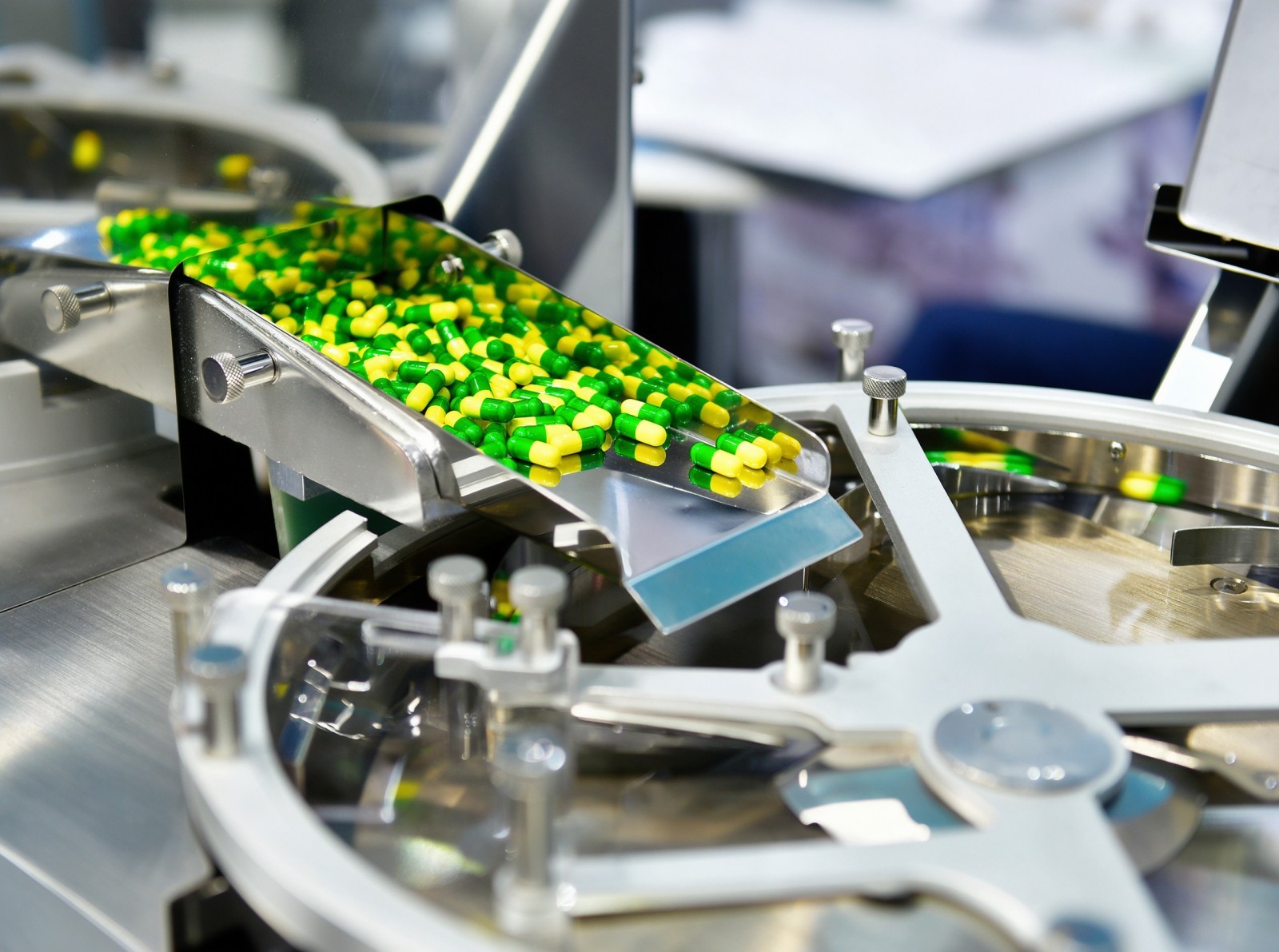
Ready to price your first wholesale run? Send us your SKU list, target volumes and destination market, and our team will return a quotation with production, packaging, testing and freight broken out, together with the relevant document pack. Contact FORNUTRA to request your wholesale vitamin quotation.
FAQ
Are wholesale vitamins cheaper than private label?
Per bottle, yes at small volumes: stock wholesale formulas typically run $2–5 per bottle against $4–9 for custom private label production, and ship in 4–6 weeks rather than 12–20 (reference ranges — confirm with your manufacturer). The economics flip once a proven SKU reorders reliably above roughly 2,500–5,000 units: custom production can drop toward $3 per bottle at 10,000 units on the illustrative curve above, and you keep the margin and differentiation that reselling stock never gives you.
Can I buy small volumes?
Yes — three routes work. Sample tiers of 5–20 bottles are available from most manufacturers for label validation and photography, at a 30–50% per-unit premium. Stock capsule and tablet formulas start at 500–1,000 bottles, among the lowest entry floors in the industry. And most manufacturers let you combine three or four SKUs at 250–500 bottles each to hit a single production floor. Quality expectations do not scale down: the same batch COA and GMP documentation apply at 250 bottles as at 10,000.
Key Takeaways
- Buy from a GMP manufacturer or its authorised distributor — the cheapest listing is often the riskiest.
- Normalise all vitamin wholesale pricing to landed cost per 1,000 units, including packaging, testing and freight.
- Require a batch-specific COA, current GMP certificate, allergen declaration and origin documents before payment.
- Match MOQ and lead time to format: tablets and capsules start at 500–1,000 bottles.
Sources: Grand View Research, Dietary Supplements Market Report (2025); Crawford C, Avula B, Lindsey AT, et al., “Analysis of Select Dietary Supplement Products Marketed to Support or Boost the Immune System,” JAMA Network Open 2022;5(8):e2226040; SuppCo, “SuppCo Tested: What We Learned Testing 44 Supplements Purchased on Amazon.com” (supp.co); ConsumerLab.com, FDA cGMP inspection analysis FY2025 (September 2026); WB Blends Supplement Cost Guide (2026); SupplementCommerce manufacturing benchmarks (2026); fornutra.com (About & Private Label pages). FORNUTRA capacity, certification, MOQ and lead-time figures are stated on fornutra.com as of this writing and may change.